Cultivating Future Innovators: Bridging Global AI Trends with Early Cognitive Development
The rapidly evolving global economy demands that we acknowledge the transformative role of artificial intelligence and automation in reshaping our daily lives, including how we prepare the next generation of students for the future of education and skills. This period of history is one of unparalleled change, where technical knowledge is increasingly accessible through sophisticated digital tools, naturally shifting the focus to what it really means to be a human thinker in the twenty-first century. That is why the foundation of early childhood development in early childhood has never been more important than it is today.
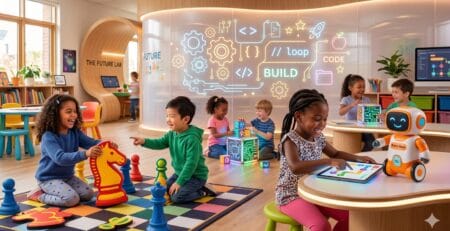
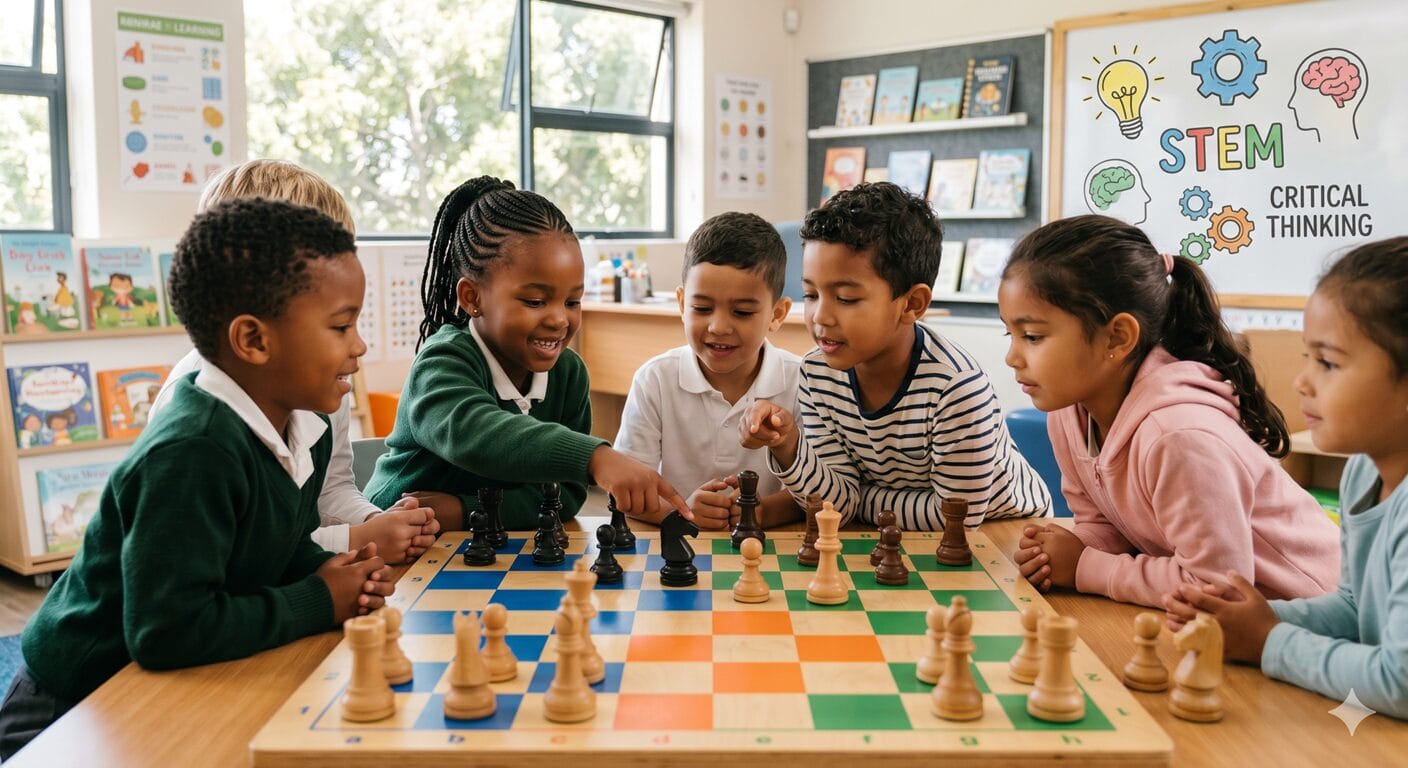
When we talk about preparing kids for a world that is hard to fully imagine, it’s not just about teaching them how to use specific software or devices; it’s also about teaching them how to think, adapt, and solve complex problems with confidence. Here lies the power of the intersection of play and pedagogy for long-term growth and success. The structured but creative space of the chessboard is an ideal laboratory for young minds to hone the very skills that AI cannot easily replicate: empathy, strategic foresight, and resilient decision-making.
Integrating chess-based education programs into the early learning years offers children a conceptual framework that supports mathematical and linguistic development while promoting deep critical thinking. Just think of the simple act of planning a few moves on a board and how this ability translates into a lifelong ability to weigh consequences and navigate the complexities of the real world with poise. A growing recognition across South Africa and around the world is that STEM skills must be underpinned by a solid bedrock of logical reasoning and spatial awareness.
Our approach to early childhood development is built around this core set of competencies, providing each child with the opportunity to realise their full potential through engaging and interactive learning experiences. It’s not just about the game itself; it’s about the mental scaffolding the game provides for a developing mind. The mission to empower children through chess for kids is more relevant than ever, with international education trends leaning more heavily into social-emotional learning and cognitive flexibility.
This process nurtures a generation of innovators who are not just consumers of technology but master problem solvers who can lead with clarity and insight. What’s nice about this approach is its universal nature; wherever a child is in the world, the logic of the game is a universal language of achievement and growth. By developing these skills early, young people will be prepared to meet the challenges of an automated future with poise and intellectual vitality.
The commitment to quality education inspires the constant improvement of the teaching of these essential life skills so that every lesson is a step towards a brighter and more competent future for all students. A structured play-based approach profoundly and consistently impacts a child’s developmental trajectory as its reach increases. Being at the forefront of educational innovation and embarking on this journey with educators and parents who recognise the long-term value of building a strong cognitive foundation for children is an exciting opportunity.
To decide to invest in these early years is to make a clear statement about the value of human intelligence and the power of strategic thought. The world of tomorrow doesn’t need leaders who think several moves ahead of it. In a world where logic and creativity hold the highest value, every strategic move you make on the board serves as a foundation for future success. This holistic development ensures that children are prepared not only for exams but also for the complex challenges of a global society. Each session fosters the synergy of critical thinking and emotional intelligence, creating a lasting impact that extends beyond the classroom. Investing in this kind of education is investing in the architects of the future.
Contact MiniChess now.